
Prepare
Schools identify space, needs, locally appropriate crops and implementation partners.
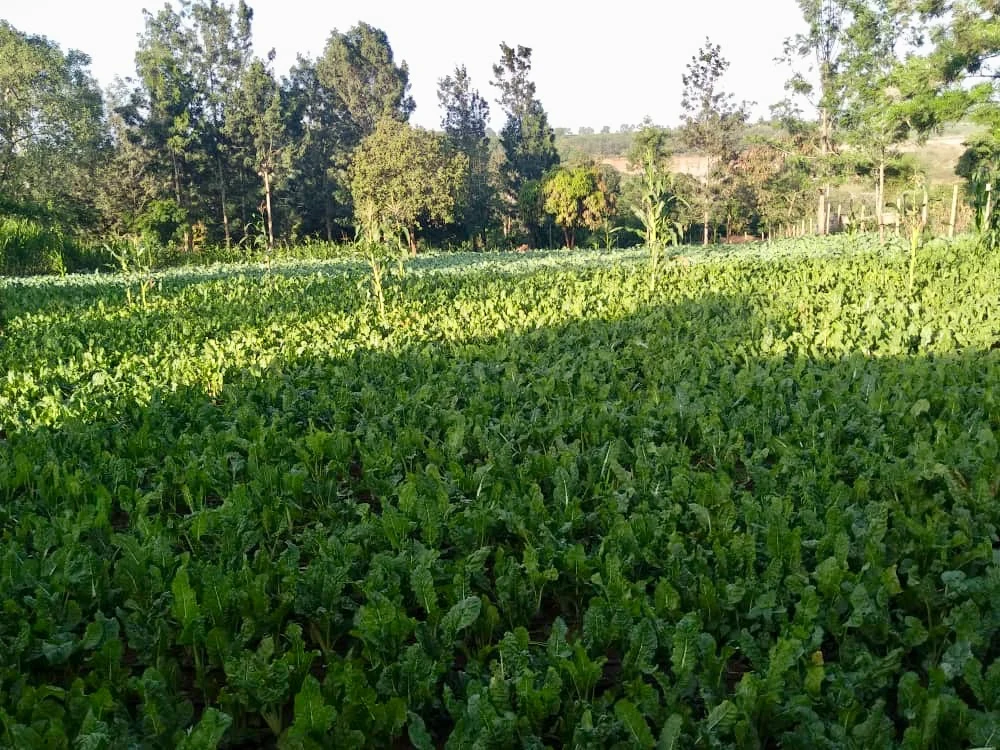
School Gardens
MKF school gardens bring together nutrition, practical education and child-centered mental-health support in one familiar school environment.
The challenge
Our school-garden model addresses classroom hunger through locally rooted food production while giving children practical agricultural knowledge and a shared sense of responsibility.
The garden also creates a setting for shared activity and trusted relationships. The wider wellbeing model includes appropriately qualified support where it has been arranged with clear roles and supervision.
How the Garden Model Works
Schools identify space, needs, locally appropriate crops and implementation partners.
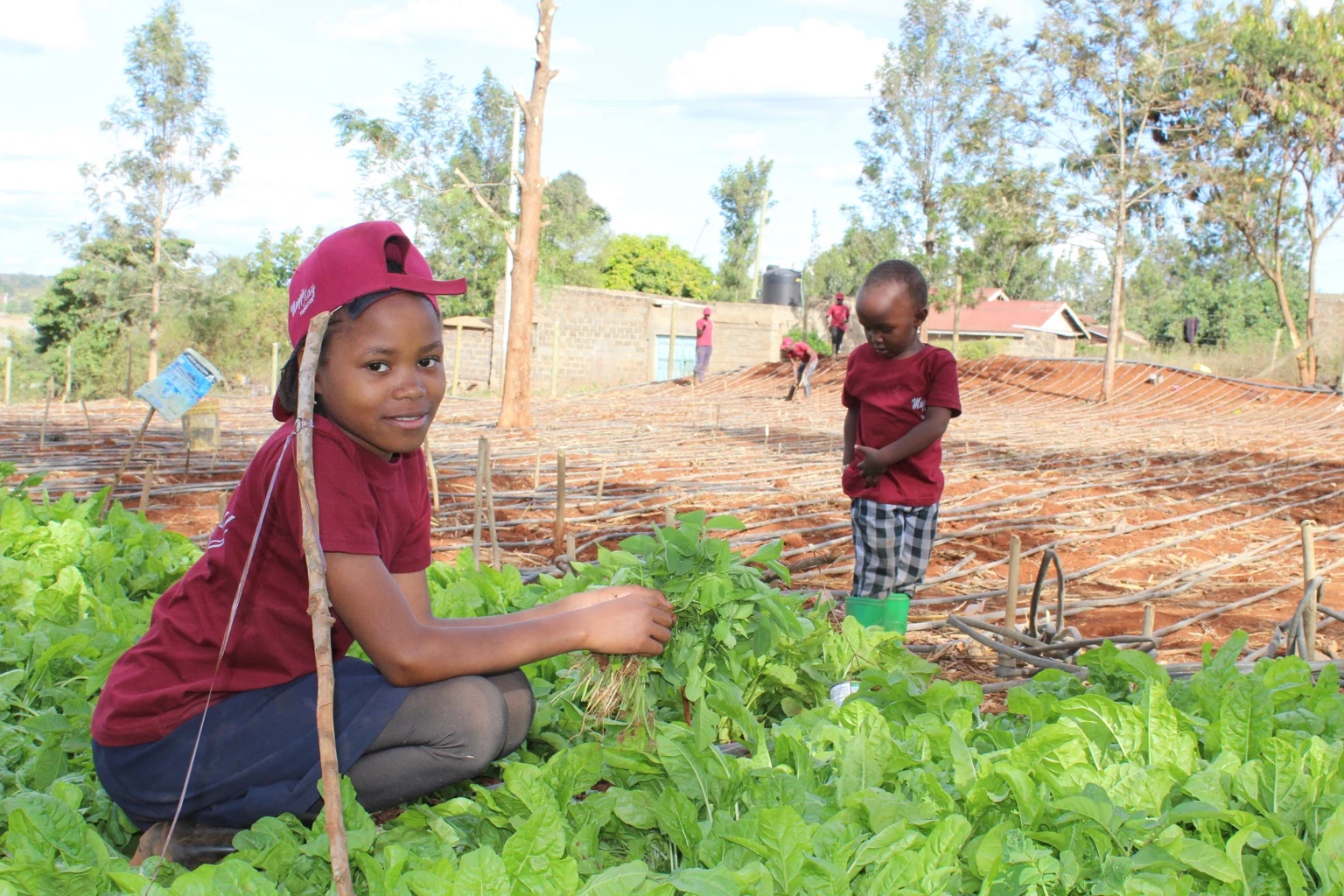
Children learn through direct participation in soil preparation and planting.
Routine garden work supports responsibility, cooperation and visible progress.
Trusted adults support participation, with professional roles arranged where appropriate.
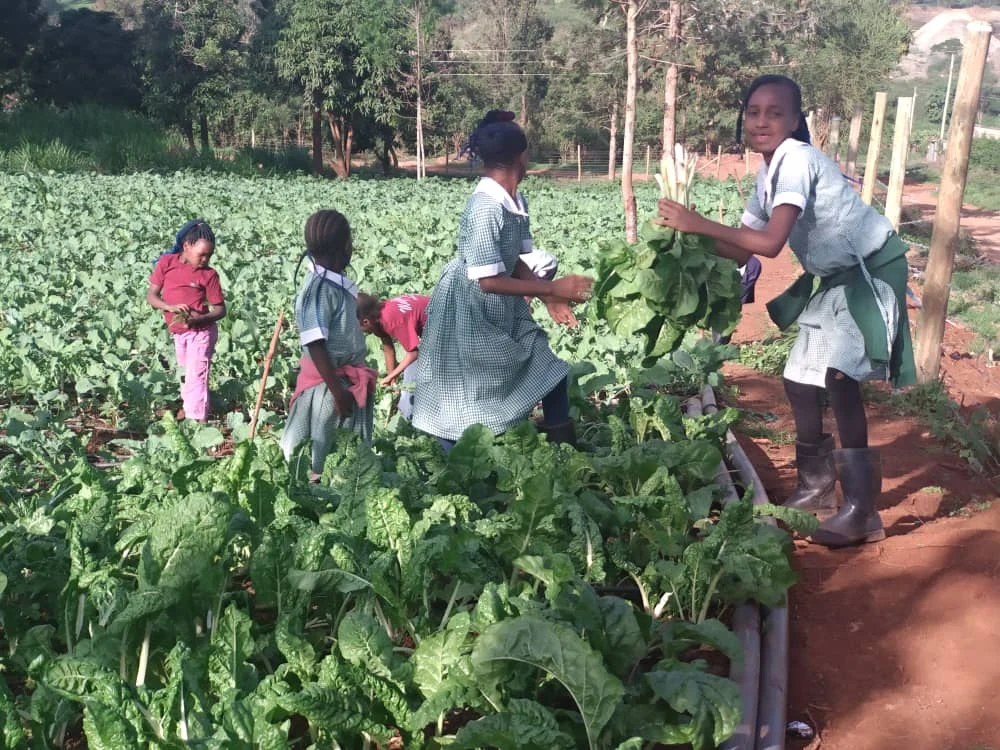
Fresh produce contributes to nutrition while reinforcing the value of sustained effort.
MKF tracks participation and builds stronger evidence around nutrition, learning and wellbeing.
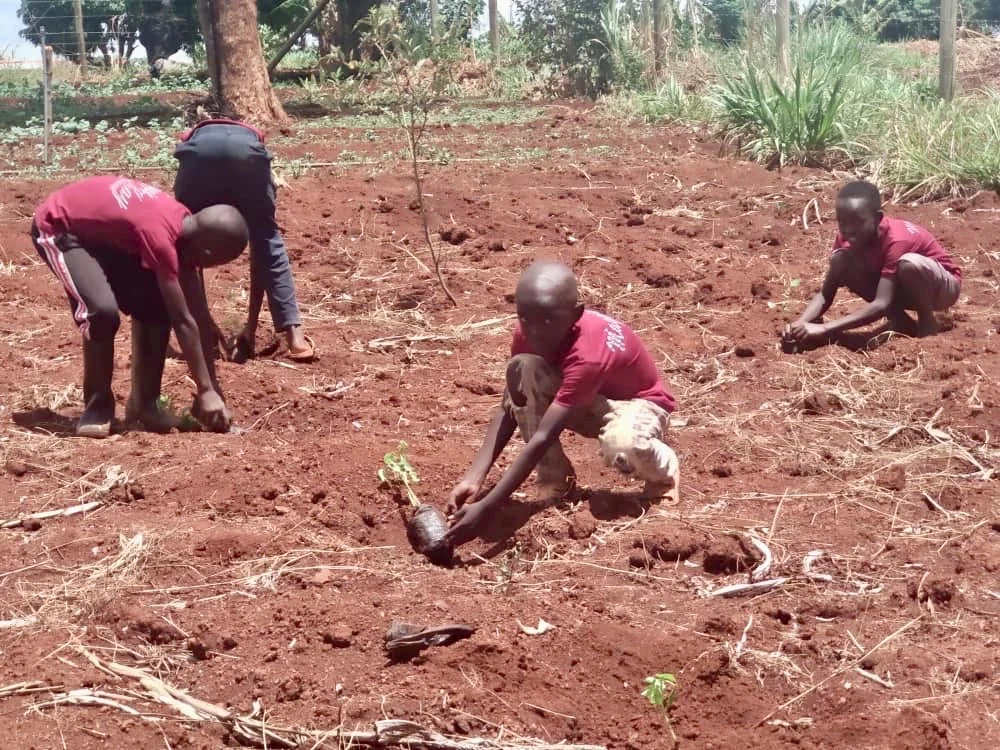
Safe Spaces for Children
Children can plant, water, walk, talk and work alongside trusted adults. That shared activity can make supportive conversations feel less formal while preserving clear safeguarding and professional boundaries.
See the wellbeing modelIntegrated outcomes
Fresh produce and stronger understanding of food and healthy eating.
Agriculture, environmental stewardship, teamwork and responsibility.
Participation, connection and appropriate pathways to additional support.
Shared activity that creates opportunities for participation and connection.
Children can see the results of sustained effort from seed to harvest.
Food-growing knowledge and skills can extend beyond the school.
From soil to harvest
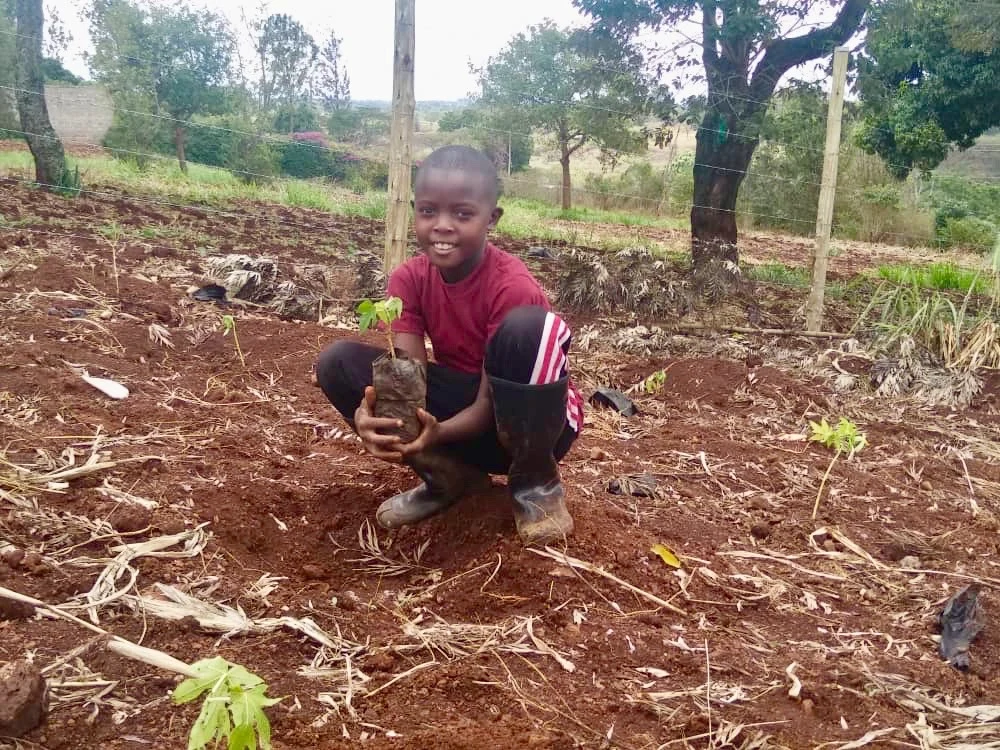
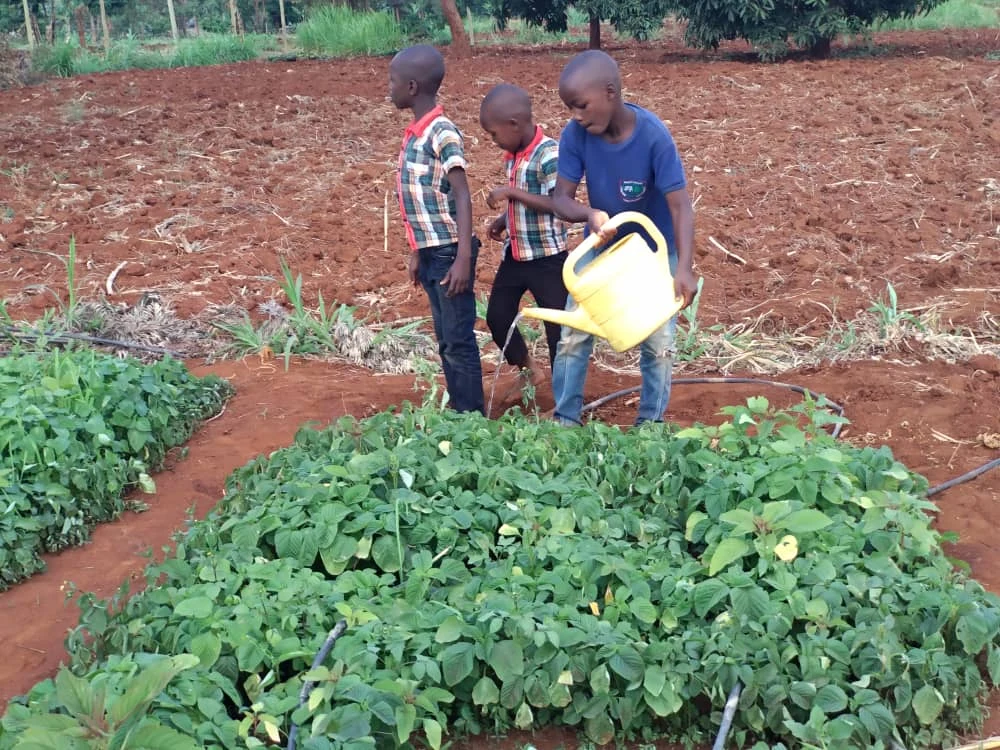
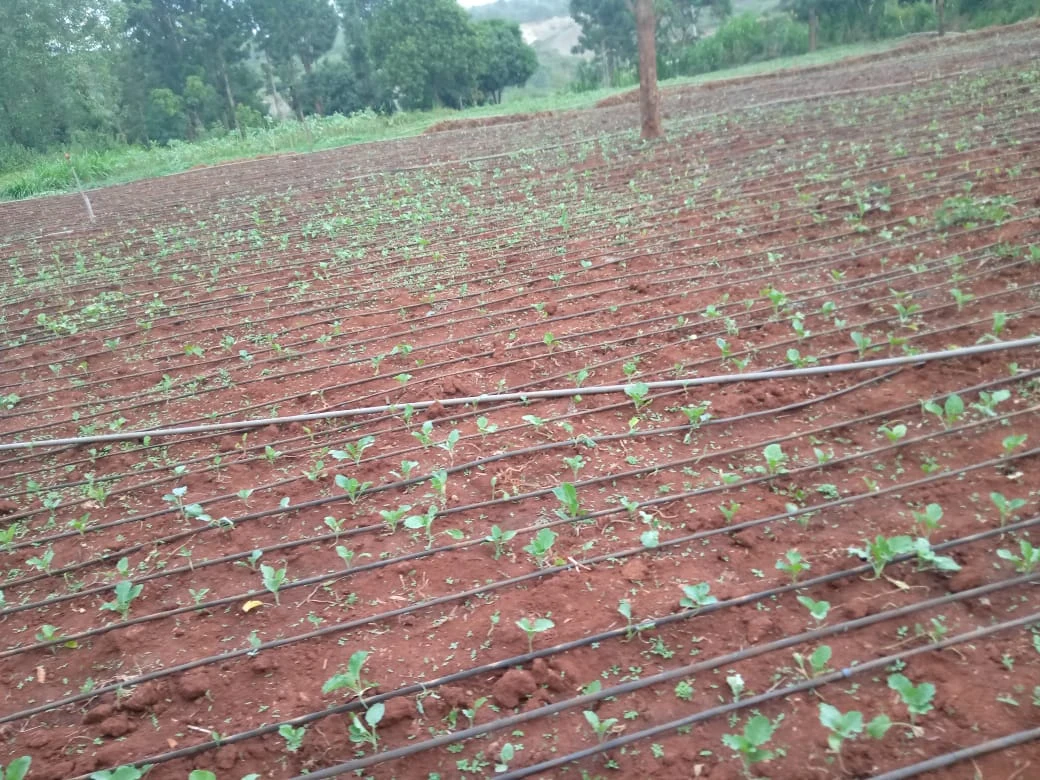
Children take part in practical tasks, from planting seedlings to caring for crops. Irrigation helps water reach the growing beds.
For schools
A school garden needs more than an opening-day planting. Water access, suitable crops, routine care and a plan for school holidays all affect whether a garden can remain useful.
Start a conversation with the Foundation about your school’s priorities, available space and who can coordinate the work. Share what is already growing and where practical support would make the greatest difference.
Discuss a school gardenGrow with us
Support garden inputs, counselor and therapist engagement, safeguarding, training and evaluation.