
Grow
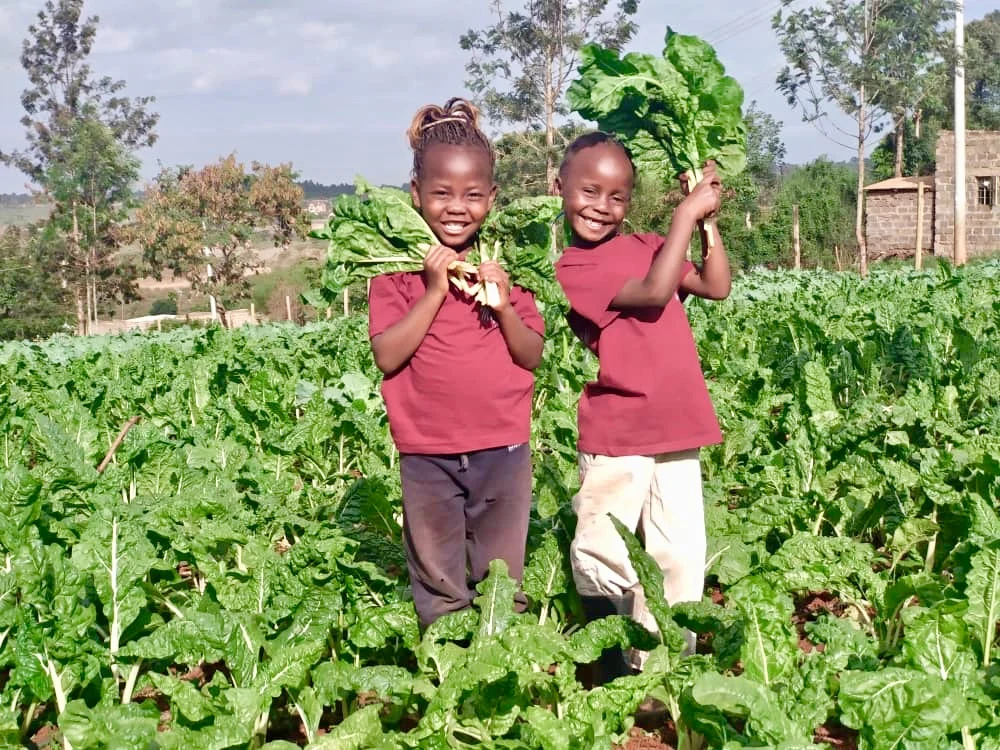
Children learn by planting, watering, nurturing and harvesting.
School gardens • mental health • wellbeing
School gardens bring food, hands-on learning and connection into children’s everyday lives. Maggie Kay Foundation works with schools and communities in Kenya to nurture young minds through growing, sharing and caring.
Our integrated model
MKF school gardens are designed as living classrooms and safe, supportive spaces. Children participate in planting, caring for crops and harvesting food while building confidence, connection and practical knowledge.
The wider wellbeing model considers how qualified support can connect with the garden setting. Availability, professional roles and arrangements should be confirmed for each school or activity.
How mental-health support works →How the garden model works
Children learn by planting, watering, nurturing and harvesting.
Fresh produce strengthens the school food environment.
The garden offers an outdoor setting for calm, connection and trusted relationships.
Therapists and counselors can engage children in a familiar, less formal setting.
Routine, teamwork and visible progress can strengthen confidence and responsibility.
MKF tracks participation and is strengthening how nutrition, learning and wellbeing outcomes are documented over time.
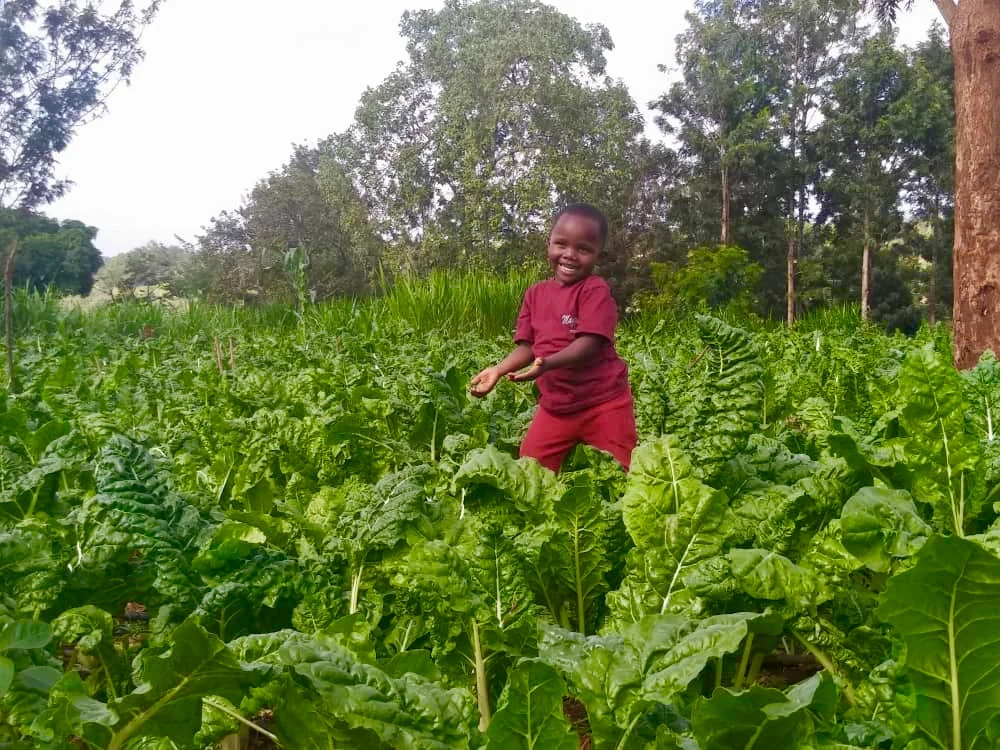
Safe spaces for children
For some children, a formal counseling setting can feel intimidating. A garden creates another kind of environment—one where children can move, work with their hands, participate alongside peers and connect with trusted adults.
Learn about safe spacesWhat makes the model distinctive
Locally rooted food-growing spaces that support nutrition and practical learning.
Explore gardens →A child-centred approach to participation, connection and appropriate support.
Explore wellbeing →A restorative highland retreat welcoming people from around the world for nature, reflection, mental wellbeing, learning and community connection.
Explore the residency connection →Learning from the work
Participation, practical learning and children’s experience each tell us something different. Our impact approach explains the questions we ask and why careful reporting matters.
Explore impact & learningMeet the team, read our visitor expectations and find the right route for questions about governance, finances and program information.
Visit accountability & recordsOur work in pictures
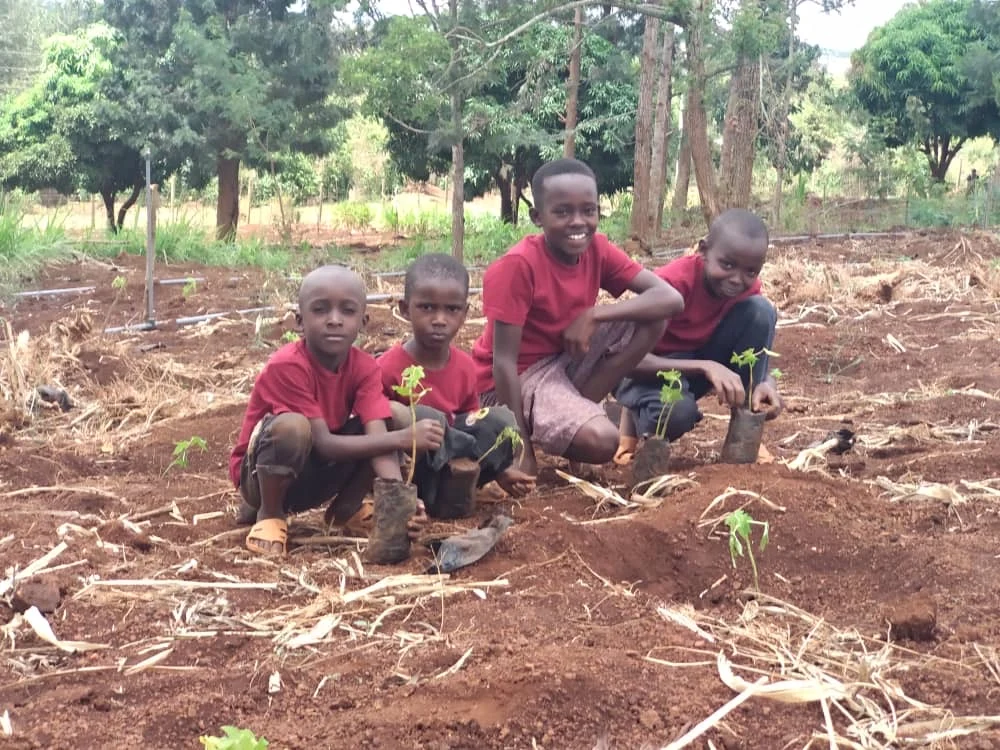
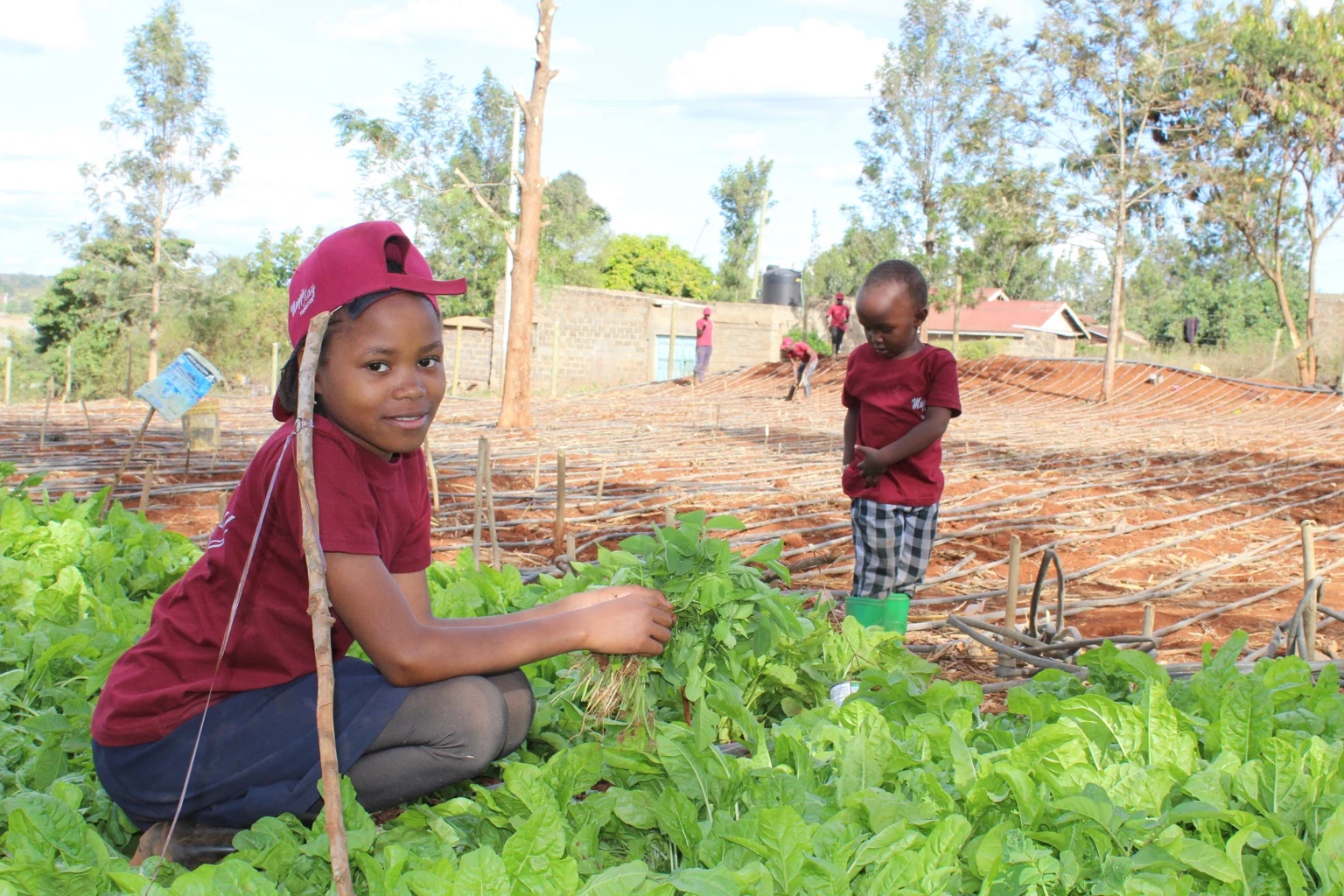
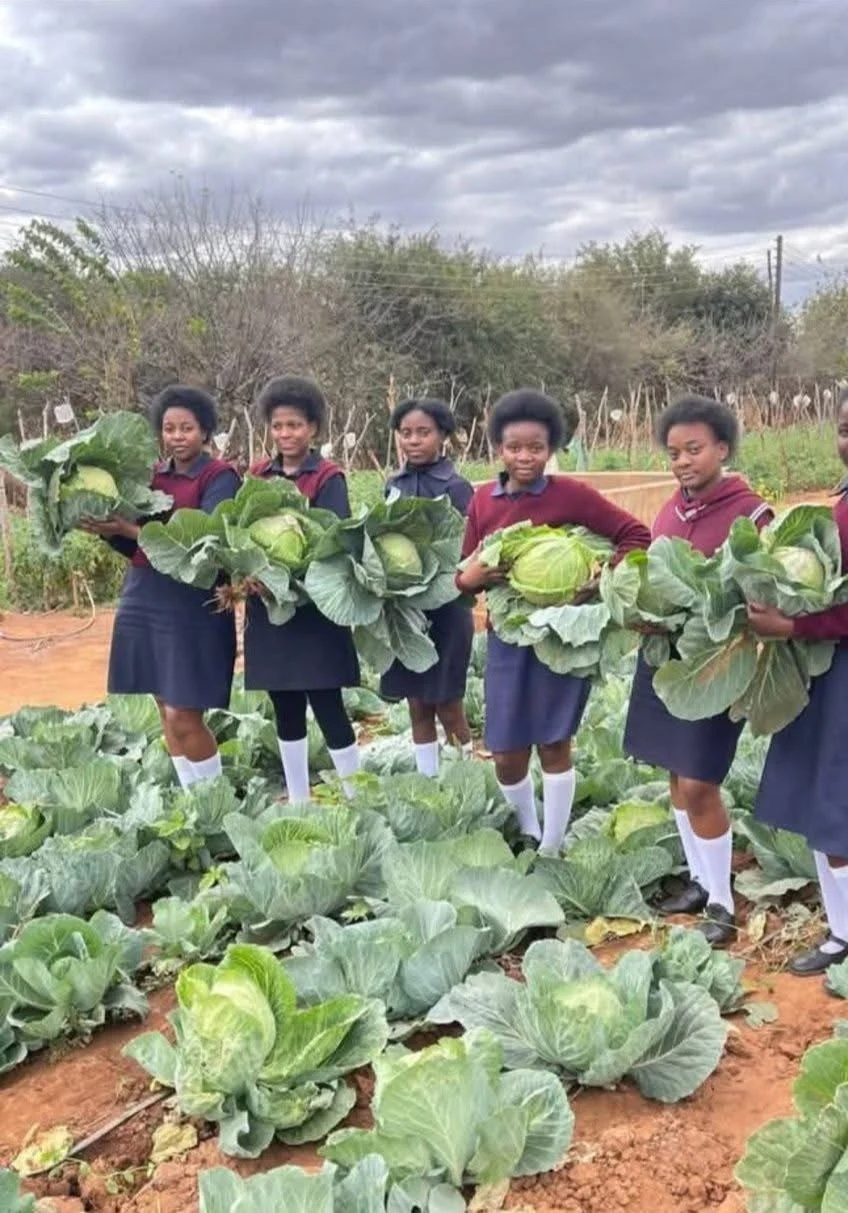
Planting, tending and harvesting: everyday moments from our garden work.
Written by our children
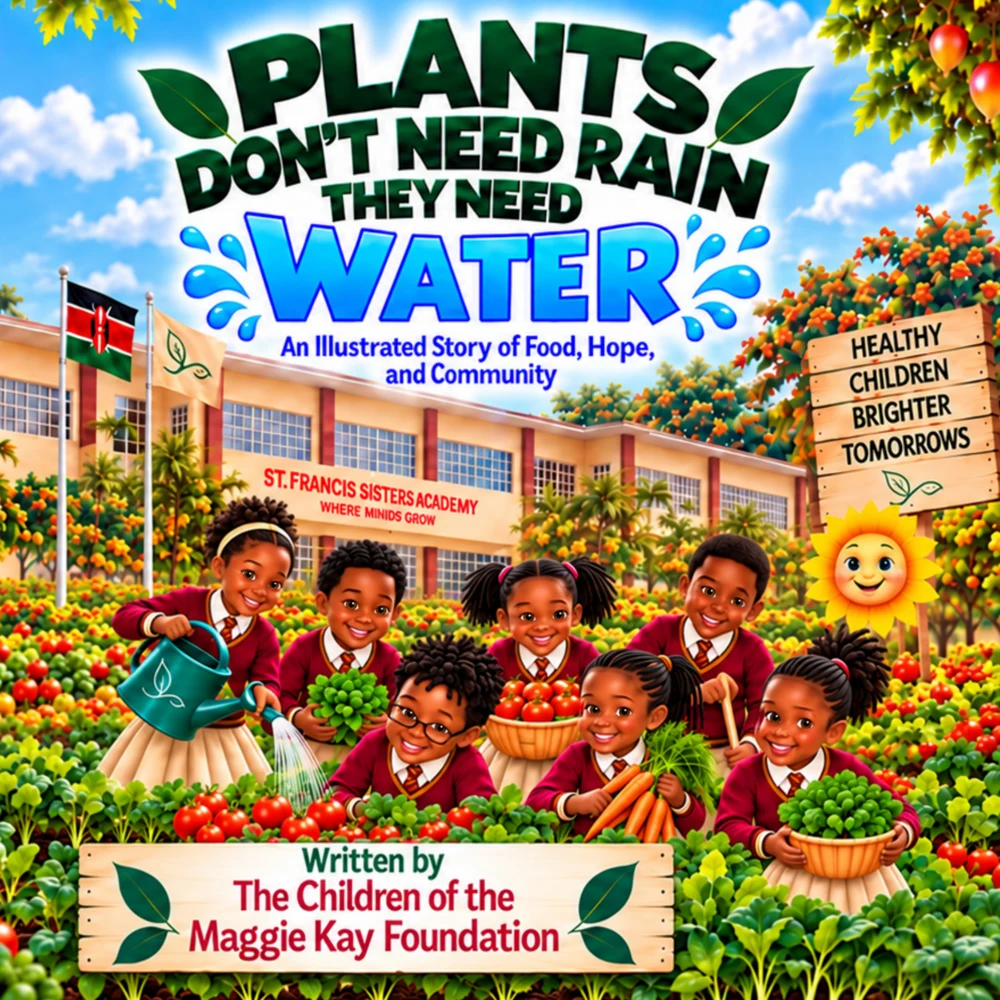
Discover Plants Don’t Need Rain—They Need Water, written by The Children of the Maggie Kay Foundation.
Explore our publicationsHelp the model grow
Your partnership can help strengthen gardens, counseling access, safeguarding, training and rigorous impact measurement.